

Owning a restaurant sounds pretty straightforward from the outside.
Open the doors. Serve great food. Keep customers happy. Repeat.
In reality, there’s a lot happening behind the scenes.
If you’re considering buying a restaurant franchise, one of the most important questions to ask isn’t just how much it costs or where you should open. It’s what you’ll actually be doing once the restaurant is up and running.
So, what does a franchise owner actually do?
The short answer is: a little bit of everything.
You may not be flipping eggs or pouring coffee every morning, but successful franchise ownership means understanding your restaurant, your team, your customers and the numbers behind the business.
Here’s what that can actually look like.
You’re Running a Business, Not Just a Restaurant
One of the biggest misconceptions about owning a restaurant franchise is that you’re simply buying yourself a job in a restaurant.
You’re actually taking responsibility for a business.
That means looking beyond what’s happening in the dining room on any given morning. You’ll need to understand staffing, sales, food costs, labour, customer experience and the overall performance of the restaurant.
The exact role will depend on how your location is structured. Some franchise owners are heavily involved in daily operations, while others build a strong management team to handle more of the day-to-day responsibilities.
Either way, the owner still needs to understand what’s happening inside the business and be ready to make decisions when something needs attention.
Building and Managing the Right Team
Restaurants are people businesses.
You can have a great location, a recognizable brand and a menu people love, but you still need a team capable of delivering the experience customers expect.
For a franchise owner, that means helping build the right team and creating an environment where people can do their jobs well.
Depending on how involved you are in daily operations, your responsibilities may include hiring managers, reviewing staffing needs, monitoring labour, supporting training and making sure the restaurant has the right leadership in place.
As the business grows, one of the owner’s most important jobs becomes developing people you can trust.
A strong management team allows an owner to spend less time putting out fires and more time thinking about the business as a whole.
Keeping an Eye on the Numbers
You don’t need to spend every morning buried in spreadsheets, but you do need to know how your restaurant is performing.
Sales are only part of the picture.
Restaurant owners also need to pay attention to expenses such as labour, food costs, rent, utilities, supplies and other operating expenses.
The goal is to understand what’s happening well enough to notice when something changes.
Are labour costs moving in the wrong direction?
Is food waste becoming a problem?
Are certain days consistently stronger than others?
Is the restaurant growing?
Numbers help turn those questions into decisions.
This is one of the areas where owning a franchise differs from simply working in a restaurant. You’re not only thinking about today’s service. You’re thinking about the long-term health of the business.
If you’re still researching the financial side of restaurant ownership, our guide to breakfast franchise costs in Canada takes a closer look at some of the expenses prospective owners should understand.
Maintaining the Customer Experience
People don’t think about franchise systems when they’re sitting down for breakfast.
They think about whether the food was good.
Whether the coffee was hot.
Whether the restaurant was clean.
Whether the service was friendly.
And whether they’d come back.
Part of a franchise owner’s role is making sure the experience customers associate with the brand is actually happening inside their restaurant.
That doesn’t mean personally checking every plate that leaves the kitchen.
It means building a team and maintaining standards that make consistency possible.
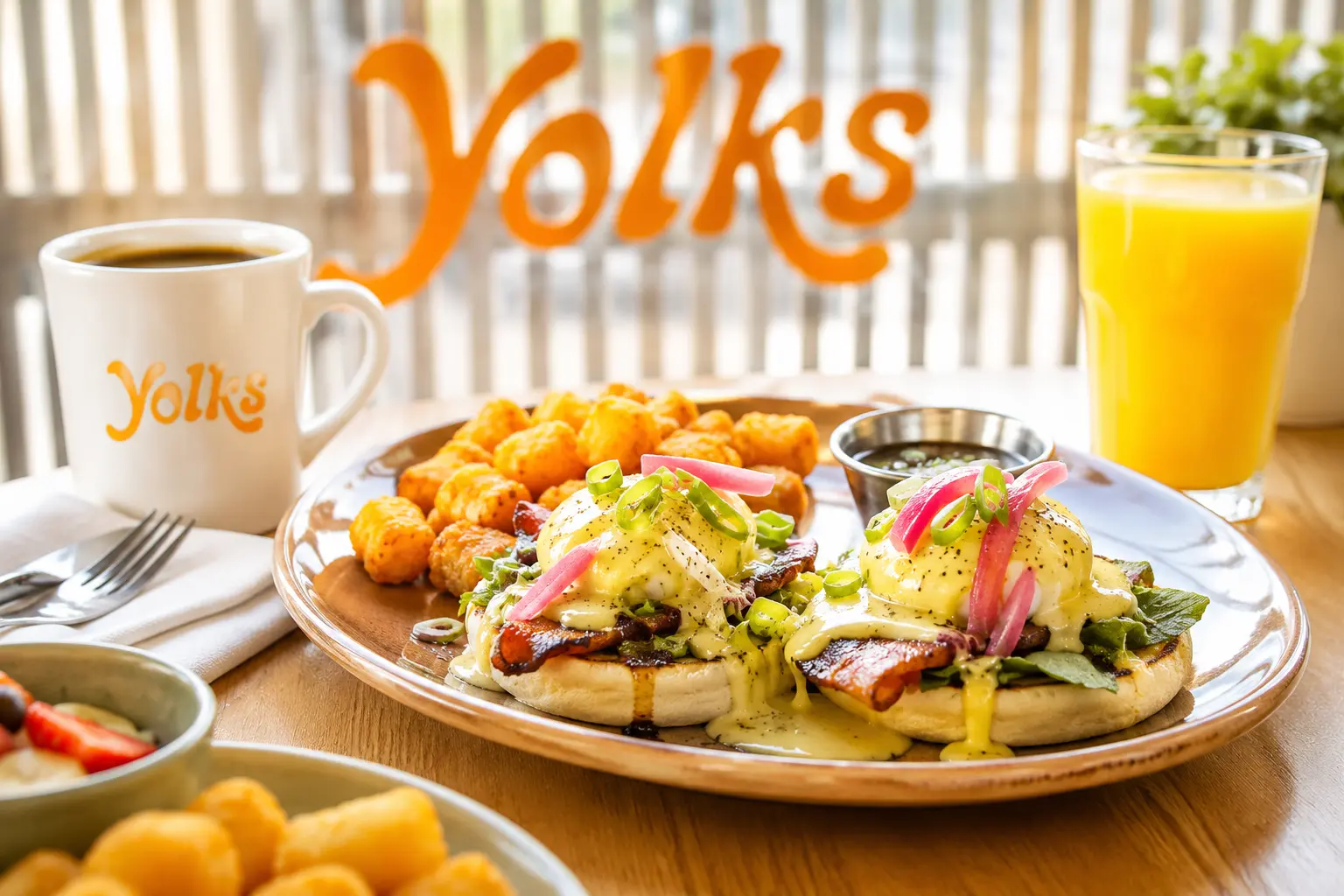
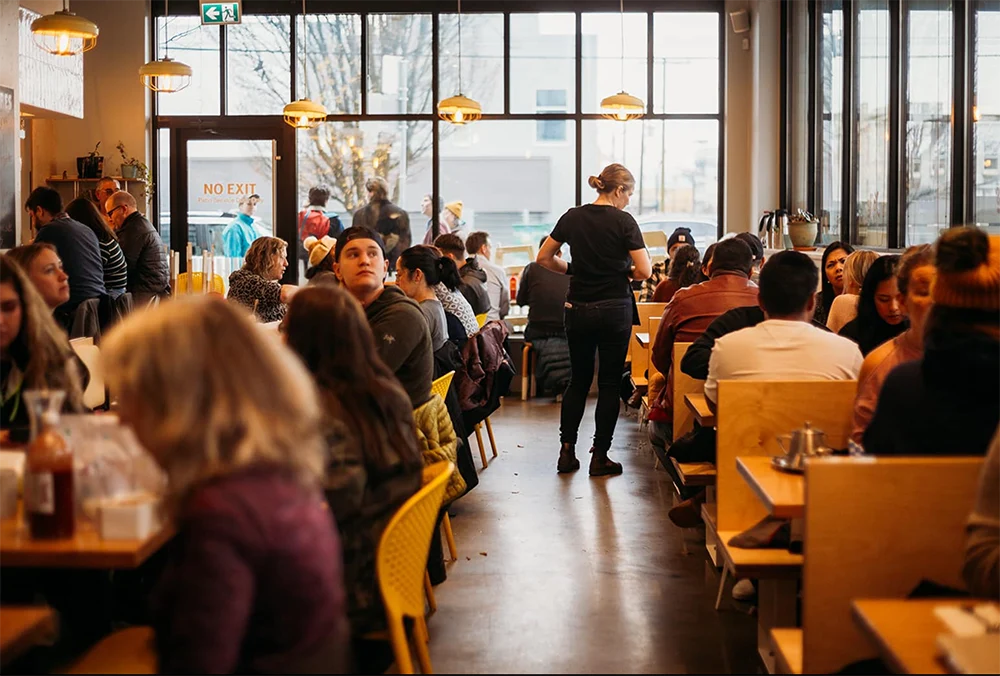
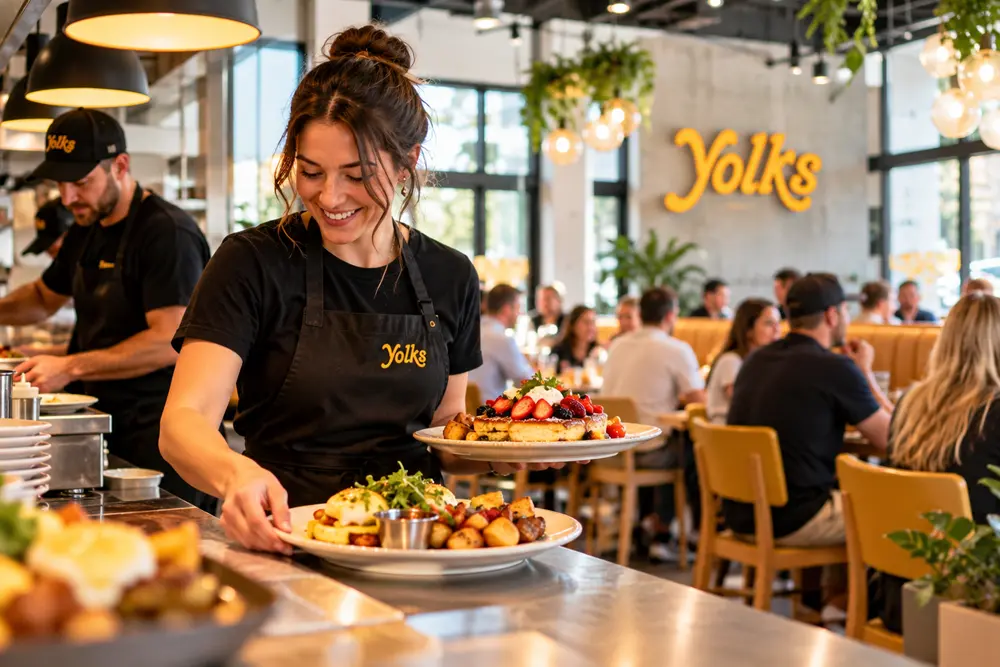
When someone walks into a Yolks, the goal is for them to recognize the experience they’ve come for while still feeling like they’re visiting a restaurant that’s part of their local community.
Following a Proven System
One of the biggest differences between opening an independent restaurant and joining a franchise is that you’re not starting with a blank page.
The concept already exists.
The brand exists.
The menu exists.
Operating procedures, training and other systems have already been developed.
That’s a major part of what you’re investing in.
But there’s another side to that equation. Franchise owners need to be comfortable operating within those systems.
You aren’t reinventing the menu every Tuesday or completely changing the restaurant because you had an idea over the weekend.
The job is to take an established concept and execute it well.
For the right person, that can be one of the biggest advantages of franchising. You can focus more of your energy on operating and growing the business instead of figuring out every component from scratch.
Working With the Franchisor
Franchise ownership isn’t something you do completely on your own.
A good franchise relationship involves ongoing communication between the franchisee and franchisor.
Depending on the franchise system, that can include operational guidance, training, marketing support, supply chain assistance, quality assurance and help navigating challenges as they come up.
The franchisor provides the larger system, while the franchise owner is responsible for putting those systems to work at the restaurant level.
That relationship is one of the biggest differences between operating an independent restaurant and joining an established franchise brand.
You’re still the business owner, but you have a larger organization and operating system behind you.
Becoming Part of the Local Community
There’s also something that can’t be completely managed from a head office.
Your local market.
Someone operating a restaurant in Vancouver is going to understand their neighbourhood differently from someone operating one in Toronto, Ottawa or Montreal.
Franchise owners can play an important role in building those local connections.
That might mean getting involved with community events, developing relationships with nearby businesses, supporting local initiatives or simply becoming a familiar face to regular customers.
A recognizable brand can get someone’s attention.
A great local restaurant experience is what keeps them coming back.
Of course, the community you choose to operate in matters too. If you’re still exploring potential markets, take a look at our guide to the best cities to open a breakfast franchise in Canada.
Marketing Doesn’t Stop When the Doors Open
Opening day isn’t the finish line.
Restaurant owners need to keep giving people reasons to visit.
A franchise gives you the advantage of an established brand and broader marketing efforts, but there’s still a local component to building a successful restaurant.
Local promotions, community involvement, social media, customer reviews and simply creating experiences people want to tell their friends about can all contribute to keeping the restaurant visible.
You don’t necessarily need to become a marketing expert.
But you should care about how your restaurant is represented in your community and how customers experience the brand both inside and outside the restaurant.
Owner-Operator or Management Team?
Not every franchise owner approaches ownership the same way.
Some want to be inside the restaurant regularly, working closely with managers and employees and staying deeply involved in daily operations.
Others eventually want a management team capable of handling more of the restaurant’s day-to-day responsibilities.
Neither approach means ownership becomes completely passive.
Even with an experienced management team, the owner still has responsibilities around performance, leadership, financial oversight and the direction of the business.
If you’re considering a particular franchise opportunity, it’s important to understand what level of involvement the franchisor expects before making the investment.
What Makes a Good Franchise Owner?
There’s no single background that automatically makes someone a great franchise owner.
Restaurant experience can certainly help, but ownership also requires skills that go beyond hospitality.
Strong franchise owners tend to be comfortable leading people, making decisions, solving problems and following established systems while still taking ownership of their results.
You also need to be realistic.
Restaurants move quickly. Employees call in sick. Equipment breaks. A Saturday morning can get very busy very quickly.
That’s part of the business.
The advantage of a franchise system is that you aren’t necessarily figuring out how to handle every situation for the first time.
Before choosing a brand, it’s also worth understanding what makes a great breakfast franchise and what kind of systems, support and long-term opportunity you should be looking for.
So, What Does a Franchise Owner Actually Do?
At the end of the day, franchise ownership is about leadership.
You’re responsible for building a strong team, understanding the numbers, maintaining standards, creating a great customer experience and making sure the business continues moving in the right direction.
A franchise gives you systems, a brand and support.
The owner brings the leadership required to make those things work at the local level.
That’s an important distinction for anyone considering restaurant ownership.
You’re not simply investing in a restaurant.
You’re taking responsibility for running a business.
What Does Franchise Ownership Look Like With Yolks?
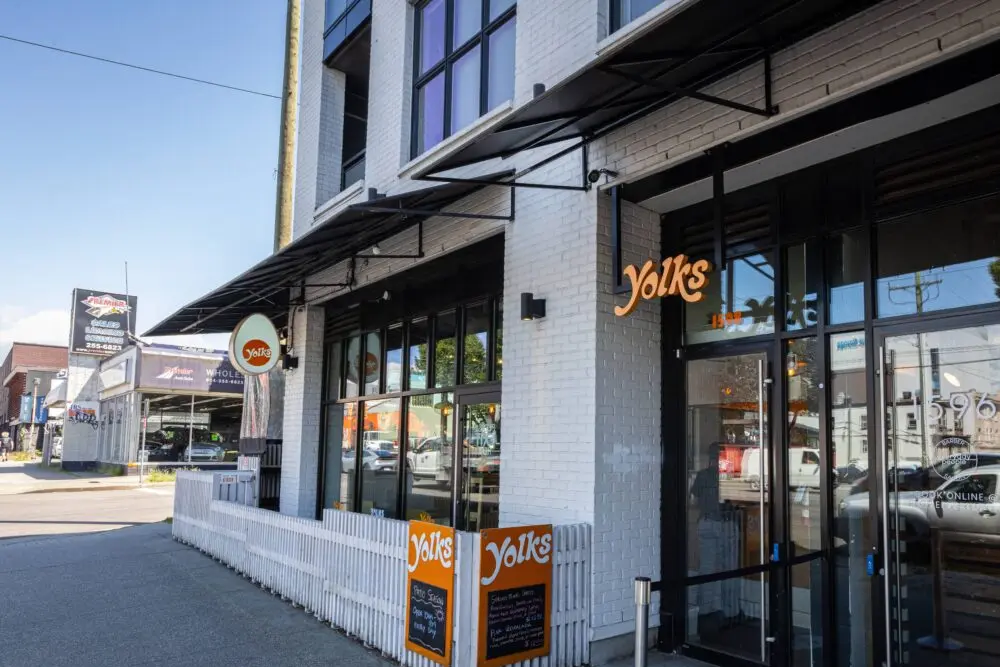
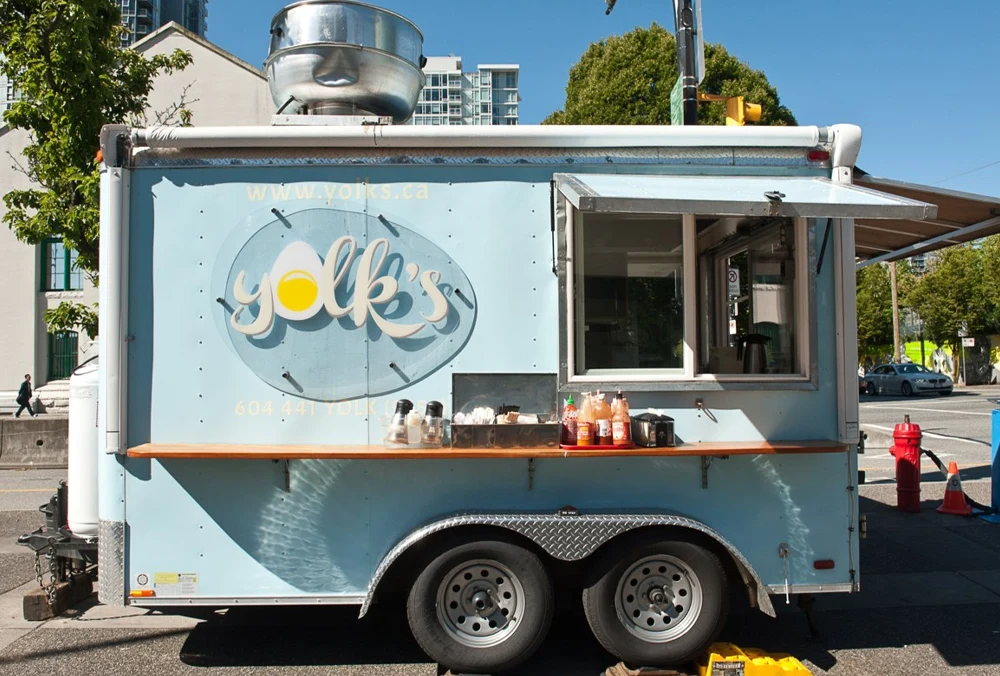
Yolks started in Vancouver and has grown into a Canadian breakfast and brunch brand with locations in multiple markets across the country.
As Yolks continues to grow, the goal is to work with franchise partners who can bring the brand to new communities while delivering the food, service and experience customers expect from Yolks.
For the right franchise partner, that means combining local ownership with the systems and support of an established restaurant concept.
Running a restaurant will never be completely hands-off.
But you don’t have to build the entire concept from scratch either.
If you’re exploring breakfast franchise opportunities in Canada and want to learn more about what owning a Yolks could look like, explore the Yolks franchise opportunity and take the next step.